

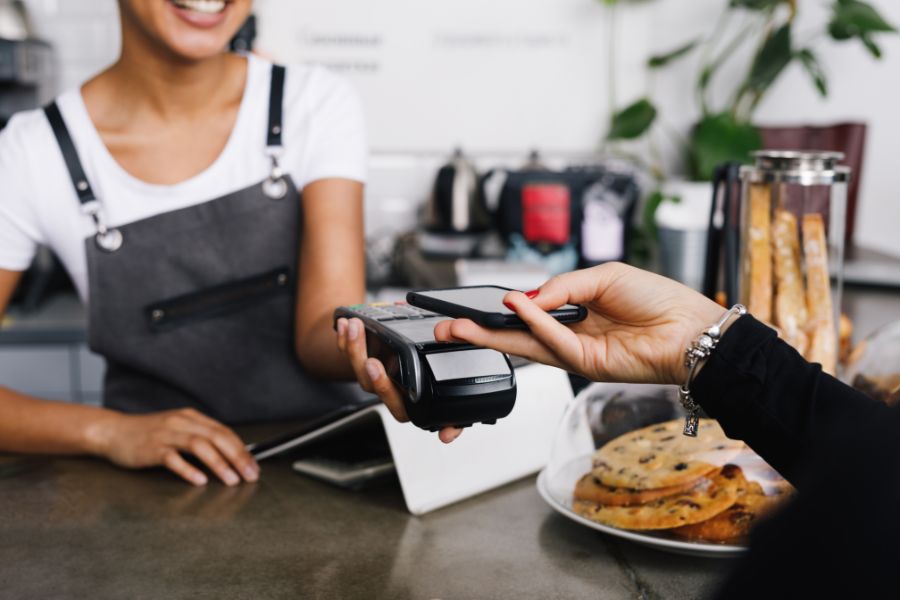
Contactless payments are woven into everyday Australian life, whether it’s grabbing a morning coffee at your local sunny coast cafe or paying for groceries on a regional road trip.
With the rise of Apple Pay, Google Pay, and Samsung Pay, many are weighing up whether digital wallets offer stronger security than physical credit cards. Both enjoy robust protection under Australian regulations, but there are important differences in how your money and data are kept safe.
Digital wallet and credit card security in plain English
When it comes to legal protection, both digital wallets and credit cards fall under ASIC’s ePayments Code and are further backed by the safety nets provided by card networks like Mastercard, Visa, and American Express. If an unauthorised transaction pops up, you are generally covered as long as you haven’t shared your PIN or passcodes and act quickly to report lost cards or devices.
However, digital wallets add an extra layer of technical security that sets them apart. Unlike physical cards, which relay your real card number to merchants, digital wallets use tokenisation—a process where your actual card details are replaced by a unique code for each transaction. This means if the merchant’s system gets hacked, your sensitive information is not exposed.
Further, your device can require biometric checks such as fingerprint or facial recognition, or a secure passcode, before any payment can proceed. This device-level protection makes fraud far less likely, even if your phone or smartwatch is lost or stolen. Credit cards, in contrast, can be copied or skimmed more easily when lost.
Most Australian banks support popular digital wallets, offering features like real-time payment notifications, the ability to freeze cards instantly via apps, and active round-the-clock fraud monitoring. These controls are especially handy for keeping track of spending both in the city and at remote coastal locations.
Practical tips for using digital wallets in Australia
Digital wallets are widely accepted in Australian cities and along the coast, but remote regions or certain small businesses may still rely on older EFTPOS systems. Always bring a backup physical card if travelling anywhere power or connectivity could be an issue—like the Great Ocean Road or Kimberley outposts.
Keep your device software up-to-date and activate transaction alerts where your bank offers them, helping you spot unauthorised activity promptly.
Protect your login credentials. Never share passcodes, and be wary of requests for one-time passwords (OTPs).
Remember, a digital wallet relies on your device—and thus your device’s battery. Plan ahead when heading into areas where charging opportunities could be limited.
Which is safer for Australians?
In most everyday situations, digital wallets provide greater protection because they combine all the legal consumer safeguards with advanced encryption, biometrics, and tokenisation. Physical cards remain useful, especially as a backup, for those times when your device battery runs flat or you find yourself in an EFTPOS-only outpost.
Each method has its place in a smart payment strategy. If you would like some help deciding how to manage your digital and card payments, the team at Stream Financial is here to help.
The information contained on this website has been provided as general advice only. The contents have been prepared without taking account of your personal objectives, financial situation or needs. You should, before you make any decision regarding any information, strategies or products mentioned on this website, consult your own financial adviser to consider whether that is appropriate having regard to your own objectives, financial situation and needs.