

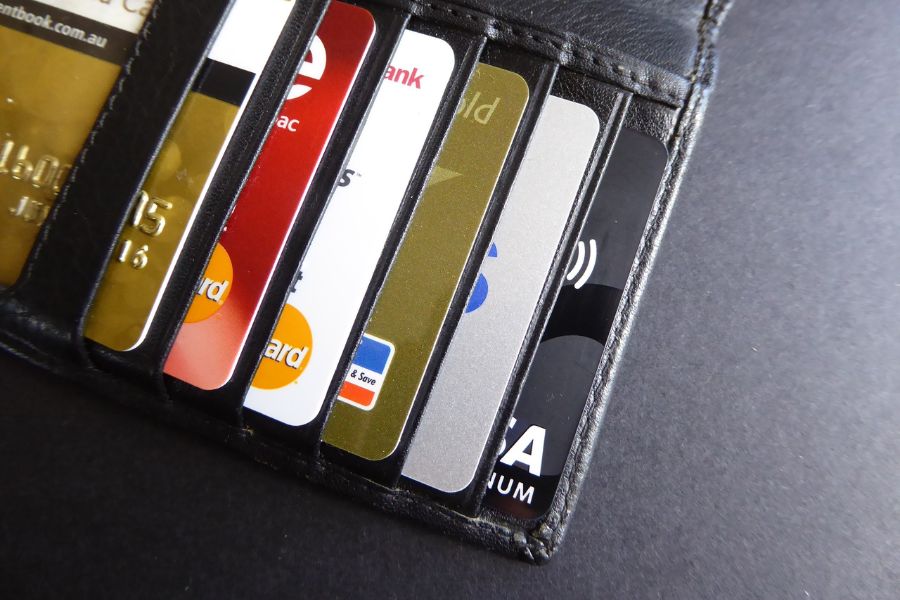
There’s no such thing as a perfect number of bank accounts that will suit everyone. But there are good reasons for avoiding the extremes of having only one account struggling to cover all your needs and goals, or on the other hand, having a large and confusing mix of accounts with different banks, some of which you’ve simply forgotten to close.
There is a smarter way to structure your money so that it feels organised, controlled, and easier to manage. It’s especially important when you’re not just handling day-to-day spending, but also aiming to build wealth through investment.
Why your bank account structure matters
You may find yourself stressed if you don’t have a clear bank account structure, even though you may have a more than adequate income. That’s because when everything is flowing through just one or two accounts, it’s hard to tell what’s already committed to bills, what’s safe to spend, and how much should be directed towards savings and investments.
But you can also fall into the trap of having too many accounts, perhaps spread over several banks and possibly paying account-keeping fees for accounts you hardly use. You may find yourself constantly transferring money, paying too much in fees, and losing track of balances.
A simple structure that works for most people
In most cases, between four and six is the most effective number of bank accounts, where each account has a clear purpose, for example:
- Income account for your salary
- Regular bills account for paying mortgage/rent, utilities, and insurance
- Spending account for everyday expenses like groceries, transport, clothing, medical, eating out, and entertainment
- Short-term goals account (optional) for targets like holidays
- Savings account for emergency fund
- Investment account where you deliberately set cash aside to be invested and create wealth
You may find it more convenient to hold all your accounts at the same bank, but splitting them between two banks could be more efficient when searching for the best deals on savings account interest rates and account-keeping fees.
Use automation to change your money habits
Once you have an organised account structure, instead of trying to manually manage your weekly, monthly, quarterly or annual spending from the account that receives your salary, you can set up automated transfers of appropriate amounts into your other accounts to occur after each payday. When you divide up your income automatically, bills are covered, spending money is clearly defined, and savings and investment amounts are set aside into accounts where you are less tempted to spend them. Your finances are controlled, and there’s less decision-making and stress.
Joint accounts or separate accounts?
Couples may debate whether it’s best to have joint bank accounts or separate accounts. Many will find that a hybrid approach works well. This means having shared accounts for bills, household costs, savings and investments, but separate personal accounts for individual spending. It’s a solution that creates transparency for shared expenses and financial assets, while still allowing room for independence.
Get help from your financial adviser
Not sure where to start with setting up a bank account structure that will work for you? Your financial adviser can help you set a budget that will determine how many accounts you need and the amounts you will transfer into each of your accounts following every payday. You should then be able to look forward to spending without stress, saving consistently and investing for your future.
The information contained on this website has been provided as general advice only. The contents have been prepared without taking account of your personal objectives, financial situation or needs. You should, before you make any decision regarding any information, strategies or products mentioned on this website, consult your own financial adviser to consider whether that is appropriate having regard to your own objectives, financial situation and needs.